
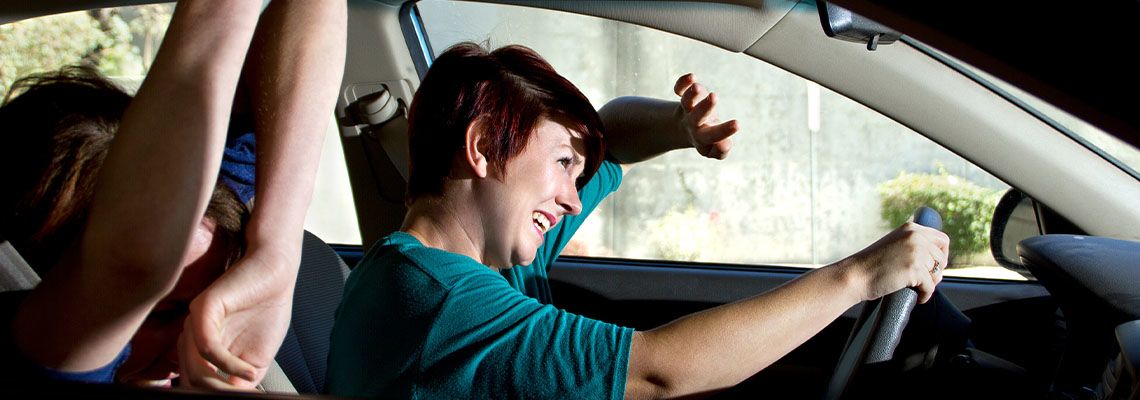
What Should You Do If a Passenger Is Injured in Your Car Accident?
Car accidents are always stressful, but the stakes rise significantly when a passenger in your vehicle gets hurt. Suddenly, you aren't just worried about vehicle damage or your own well-being; you are deeply concerned for your friend or family member sitting next to you. It is a scary situation, and knowing the right steps to take immediately after the crash can make a huge difference in how the claims process unfolds.
When a passenger is injured, liability issues can get messy quickly. Insurance companies often try to shift blame or minimize payouts, leaving victims without the funds they need for medical bills. Seeking legal help early on protects you and your passengers from being taken advantage of during a vulnerable time.
At the Law Office of Frederick K. Wilson II, I have dedicated my career to helping individuals understand their rights and get the support they need after life-changing accidents. What sets me apart is my commitment to direct, personal communication.
You aren't just a case number here; I handle my cases personally because I believe you deserve an attorney who knows your story inside and out. I serve clients throughout Houston, Texas, as well as in Katy, Sugar Land, The Woodlands, Pearland, and Pasadena.
Immediate Steps to Take at the Scene
The moments right after a collision are often a blur of adrenaline and confusion. However, if you are physically able, taking specific actions at the scene is vital for any future insurance claims or legal actions.
Check for Injuries and Call 911
Your first priority is safety. Check on your passengers immediately. Do not try to move anyone who appears to have a neck or back injury unless they are in immediate danger (like a car fire). Call 911 right away.
Even if the injuries seem minor, having police and paramedics on the scene creates an official record of the event. The police report will be a key piece of evidence later.
Gather Information
While waiting for first responders, exchange information with the other driver. Get their name, contact info, insurance details, and license plate number. If there are witnesses, ask for their names and phone numbers too. Independent accounts of the crash can be incredibly powerful if liability is disputed later.
Document Everything
Use your phone to take photos and videos. Capture the damage to all vehicles, the position of the cars on the road, skid marks, traffic signs, and weather conditions. If your passenger has visible injuries, photograph those as well. This visual evidence preserves the scene exactly as it was, which prevents others from changing the story later.
Be Careful What You Say
It is natural to want to apologize or say, "I didn't see you," but avoid admitting fault at the scene. Statements made in the heat of the moment can be used against you by insurance adjusters. Stick to the facts when talking to the police and let the investigation determine fault.
Understanding Liability: Who Pays for the Passenger's Injuries?
One of the most common questions I get is: "Who pays for my passenger's medical bills?" The answer depends largely on who was at fault for the accident.
If the Other Driver Was at Fault
If another driver caused the crash, your passenger would typically file a claim against that driver's liability insurance. In Texas, the at-fault driver is responsible for damages, including medical expenses, lost wages, and pain and suffering.
If You Were at Fault
This is the scenario that worries people the most. If you were driving and caused the accident, your passenger might have to file a claim against your insurance policy.
This can feel awkward, especially if the passenger is a close friend or family member. It is important to remember that they are not suing you personally to take your house or savings; they are seeking compensation from the insurance coverage you pay for, precisely for this purpose.
If the At-Fault Driver is Uninsured
If the other driver caused the crash but has no insurance, your passenger might be covered under your Uninsured/Underinsured Motorist (UM/UIM) coverage, if you have it. Alternatively, they may need to use their own Personal Injury Protection (PIP) or health insurance.
Texas Laws Affecting Passenger Injury Claims
Texas operates under a "fault" system for car accidents, meaning the person who caused the accident is responsible for the damages. However, there are specific laws that dictate how compensation works.
Comparative Negligence
Texas uses a "modified comparative negligence" rule. This generally applies to drivers, but it can impact how much an insurance company pays out. If a jury finds that a party is 51% or more responsible for the accident, they cannot recover damages. While passengers are rarely at fault for a crash, insurance companies might argue a passenger was negligent (e.g., knowingly getting into a car with an intoxicated driver or distracting the driver).
Personal Injury Protection (PIP)
In Texas, insurance companies must offer Personal Injury Protection (PIP) coverage. Unless you rejected it in writing, you likely have it. PIP covers medical bills and lost wages for you and your passengers, regardless of who caused the accident. This is often the quickest way to get medical bills paid because there is no need to prove fault first.
The Statute of Limitations
You do not have unlimited time to act. In Texas, the statute of limitations for personal injury claims is generally two years from the date of the accident. If a lawsuit isn't filed within this window, the court will likely dismiss the case, and your passenger will lose their right to compensation.
Dealing with Insurance Adjusters
After an accident involving passenger injuries, you can expect calls from insurance adjusters representing both your company and the other driver's insurer.
The "Friendly" Check-In
Adjusters often sound very concerned and friendly. They might ask for a recorded statement about how the accident happened. I strongly advise against giving a recorded statement without legal counsel. They are trained to ask questions in a way that can trap you into admitting partial fault or minimizing the severity of injuries.
Lowball Settlement Offers
Insurers want to close cases quickly and cheaply. They might offer your passenger a quick cash settlement before they even know the full extent of their injuries. Once a settlement is signed, the case is closed forever.
If medical complications arise months later, your passenger cannot go back and seek additional compensation. Always consult with an attorney before signing anything.
Why Your Passenger Needs Their Own Representation
Conflict of interest is a significant factor in these cases. If there is any question about who was at fault—or if you share even a small percentage of the blame—I cannot represent both you (the driver) and your passenger. Our interests might be in opposition.
If you were completely blameless and the other driver is 100% at fault, it might be possible for one attorney to help everyone in your car. However, if the passenger has to file a claim against your insurance, they need their own advocate to ensure they are treated fairly by your insurer.
I can help assess the situation during a consultation and let you know if a conflict exists. If it does, I can recommend trusted colleagues for your passenger to make sure everyone gets high-quality legal help.
Common Injuries Passengers Sustain
Passengers are often more vulnerable than drivers. Drivers have the steering wheel to brace themselves (though this can also cause injury) and often see the crash coming. Passengers may be looking at their phones, turning to talk to someone in the back seat, or sleeping. Being unaware and unbraced can lead to severe injuries.
Whiplash and neck injuries: The sudden jolt can damage soft tissue.
Head injuries: Hitting the dashboard, window, or seat in front can cause concussions or traumatic brain injuries.
Dashboard injuries: Knees and legs often smash into the dashboard, causing fractures or dislocations.
Airbag injuries: While airbags save lives, they deploy with explosive force that can cause burns, abrasions, or facial fractures.
What If the Passenger Is a Family Member?
This is a frequent scenario. If your child or spouse is injured due to your driving error, specific exclusions in your insurance policy might apply. Many policies have "family member exclusions" that prevent family members living in the same household from suing you for liability.
However, they can still typically access PIP coverage. If the other driver was at fault, the family relationship doesn't matter—your family member has the same right to sue the at-fault driver as any stranger would. This area of law is tricky, which is why having me review your specific policy language is so important.
Protecting Your Rights
The aftermath of a wreck is chaotic, but you don't have to figure it out alone. Whether you were driving or were the passenger, understanding your coverage options and legal rights is the only way to secure a fair recovery. Insurance policies are dense contracts full of legal jargon designed to be confusing.
I help my clients cut through that confusion. I handle the paperwork, the phone calls to stubborn adjusters, and the collection of medical records so you can focus on healing. If the insurance company refuses to offer a fair settlement, I am fully prepared to take your case to court.
Car Accident Attorney Serving Houston, Texas
Car accident injuries happen because drivers ignore traffic laws that exist for a simple purpose: to keep us all safe. We all have a right to safety when traveling, especially considering the heavy machinery involved.
At the Law Office of Frederick K. Wilson II, I am here to be your dedicated advocate and fight for the fair compensation you deserve. If you are hurting after a collision, contact my office for a free consultation. You do not have to face this difficult time alone.