
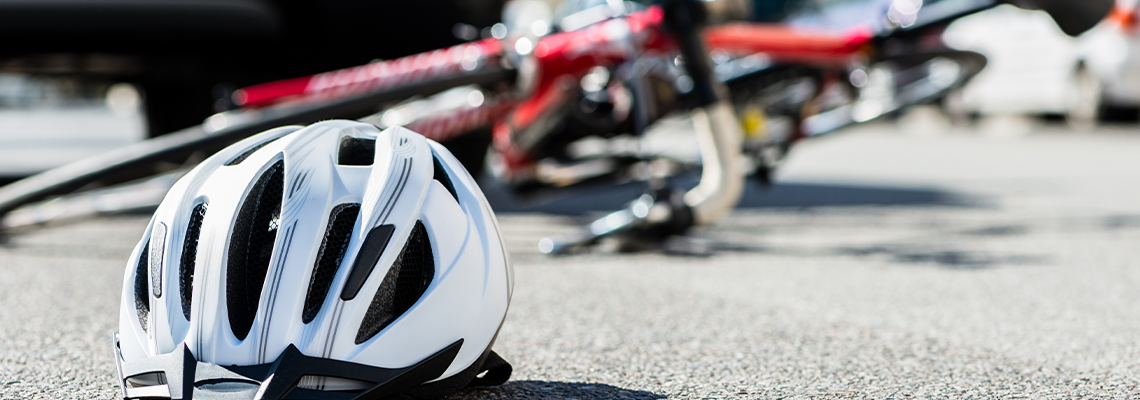
How Helmet Use Impacts Bicycle Injury Claims
Bicycling provides both freedom and exercise, but accidents can result in life-altering injuries in an instant. While helmets serve as a critical defense against head injuries, not every rider chooses to wear one. This decision can significantly impact how claims are processed, liability is determined, and insurance companies respond.
Understanding helmet use and its effects on claims is important if you've been involved in a bicycle accident.
At the Law Office of Frederick K. Wilson II, serving Houston, Texas, and the surrounding areas, I help clients address the challenges they face after a bicycle accident. As an experienced attorney, I’ve seen firsthand how wearing—or not wearing—a helmet can impact the progression of a claim. I guide clients through the details, striving to protect their rights and helping them make informed decisions.
Helmet Use and Accident Outcomes
Helmets are designed to reduce the severity of head injuries by absorbing impact forces during a crash. They can prevent skull fractures, concussions, and traumatic brain injuries. While no helmet can fully prevent injury in every situation, wearing one significantly improves the chances of a safer outcome.
Wearing a helmet is a choice that reflects responsibility, but it also has legal implications for claims. From a legal perspective, helmet use can affect how insurance companies assess fault and damages.
Some states have helmet laws, while others leave the decision to the rider. Even in areas without mandatory helmet laws, insurers may use helmet non-use as a factor in determining liability or settlement amounts.
I often encounter cases in which an insurance adjuster cites the lack of a helmet to reduce their payout, even when the other party was clearly at fault. Proper legal guidance helps clients present their case accurately, showing that safety precautions are important but not the determining factor in liability.
Injury Severity and Helmet Protection
A helmet can significantly affect the type and severity of injuries sustained in an accident. In many cases, helmets reduce the impact, leading to less severe medical outcomes and better recovery prospects. Recognizing the role helmets play in injury prevention helps riders and attorneys assess potential claims more accurately.
Head injuries: Helmets reduce the likelihood of skull fractures, severe concussions, and brain trauma. Even moderate impacts can be less damaging when a helmet absorbs some of the energy.
Facial injuries: While helmets primarily protect the cranium, they can also help limit facial injuries by dispersing impact energy and reducing direct contact.
When evaluating the value of a claim, insurance companies often scrutinize medical records. Wearing a helmet can demonstrate that the rider took reasonable precautions, potentially strengthening a compensation claim. However, helmet use alone cannot substitute for evidence of negligence by other parties.
Collecting Evidence After a Bicycle Crash
Collecting evidence is critical for any bicycle injury claim, and helmet use is part of that process. Proper evidence can make a difference in how an insurer evaluates your case.
Photographs of the scene and injuries: Images showing damage to the bicycle, helmet, or other objects involved help demonstrate the crash’s impact.
Medical records: Detailed records document the extent of injuries and any treatment needed.
Witness statements: Observations from bystanders can clarify how the accident happened and whether helmet use played a role.
Police reports: Reports can document helmet use and the parties involved, providing an official record for the claim.
Gathering this evidence quickly strengthens a client’s position. As a bicycle injury lawyer, I help organize and present these materials effectively, highlighting that helmet use—or lack thereof—doesn’t shift fault away from negligent parties. The more thorough the documentation, the stronger the claim can be.
Settlement Negotiations and Helmet Use
Helmet use can influence how negotiations unfold. Cases in which the rider wore a helmet may proceed more smoothly, as the insurance company often recognizes precautionary measures. Conversely, claims involving non-helmeted riders may require additional evidence to counter arguments about preventable injuries. As a bicycle injury lawyer, I often help clients:
Document how the accident occurred, including road conditions, visibility, and the other party’s actions.
Collect detailed medical records to demonstrate the injury’s severity and the necessity of treatment.
Explain why helmet use, while important, doesn’t shift liability from the party responsible for the crash.
These steps help clients secure fair compensation, regardless of whether they were wearing a helmet at the time of the accident. Negotiating effectively with an attorney can make a noticeable difference in the outcome of the claim.
Legal support for bicycle accident victims
Every case is different, and my role as a bicycle injury lawyer is to guide clients through the legal process while minimizing stress. I help clients understand how helmet use interacts with claims while emphasizing the real causes of accidents.
Reviewing accident reports: Confirming that helmet use and other factors are documented accurately.
Communicating with insurance companies: Handling adjusters who try to use helmet non-use against clients.
Assessing damages: Calculating medical costs, lost wages, and other losses, regardless of helmet use.
Preparing for negotiation or trial: Presenting evidence effectively, demonstrating that the accident’s cause isn’t the rider’s choice of protective gear.
Clients often appreciate having an attorney who can explain how helmet use may impact claims without letting it overshadow the actual negligence that caused the accident. Legal guidance can make the difference between a fair settlement and a minimized payout.
Educating Riders on Legal Risks
As a bicycle injury lawyer, I work to educate clients about how helmet use affects legal claims. Understanding the law helps riders avoid common pitfalls and focus on the elements that matter most in a claim. This includes:
Understanding state laws: Knowing whether helmet laws apply and how they may affect a claim.
Recognizing insurance strategies: Being aware of tactics adjusters may use regarding helmet use.
Collecting relevant evidence: Understanding what details strengthen a case, such as medical documentation and crash photos.
While education doesn’t change the past, it empowers clients to make informed decisions and avoid pitfalls during the claims processing process. The knowledge also helps riders maintain confidence throughout the legal process.
Steps to Protect Your Claim
Accidents can be overwhelming, but certain steps help protect a claim. Taking action quickly can prevent insurers from using technicalities to reduce compensation.
Seek medical attention immediately: Document all injuries and treatments.
Take photos of the scene: Capture your bike, helmet, and the surrounding environment.
Collect witness information: Contact details from anyone who saw the crash.
Keep detailed records: Track medical bills, lost income, and communication with insurers.
Avoid admitting fault: Statements made at the scene or to adjusters can be misinterpreted.
These actions help demonstrate responsibility and focus the claim on the negligent party rather than the rider’s protective gear choices. Preparing properly gives clients confidence and strengthens the case.
Connect With a Bicycle Injury Lawyer to Protect Your Claim and Recovery
If you’ve been injured in a bicycle accident, having a bicycle injury lawyer can make a significant difference. I help clients gather evidence, communicate with insurers, and address helmet-related challenges so they can focus on recovery.
With locations in Houston and Sugar Land, Texas, my firm serves Missouri City, Texas, and the Greater Houston Metro area. Contact me at the Law Office of Frederick K. Wilson II to protect your rights and give your case the attention it deserves.